
Mercy Over Sacrifice — Reflecting the Compassionate Heart of God
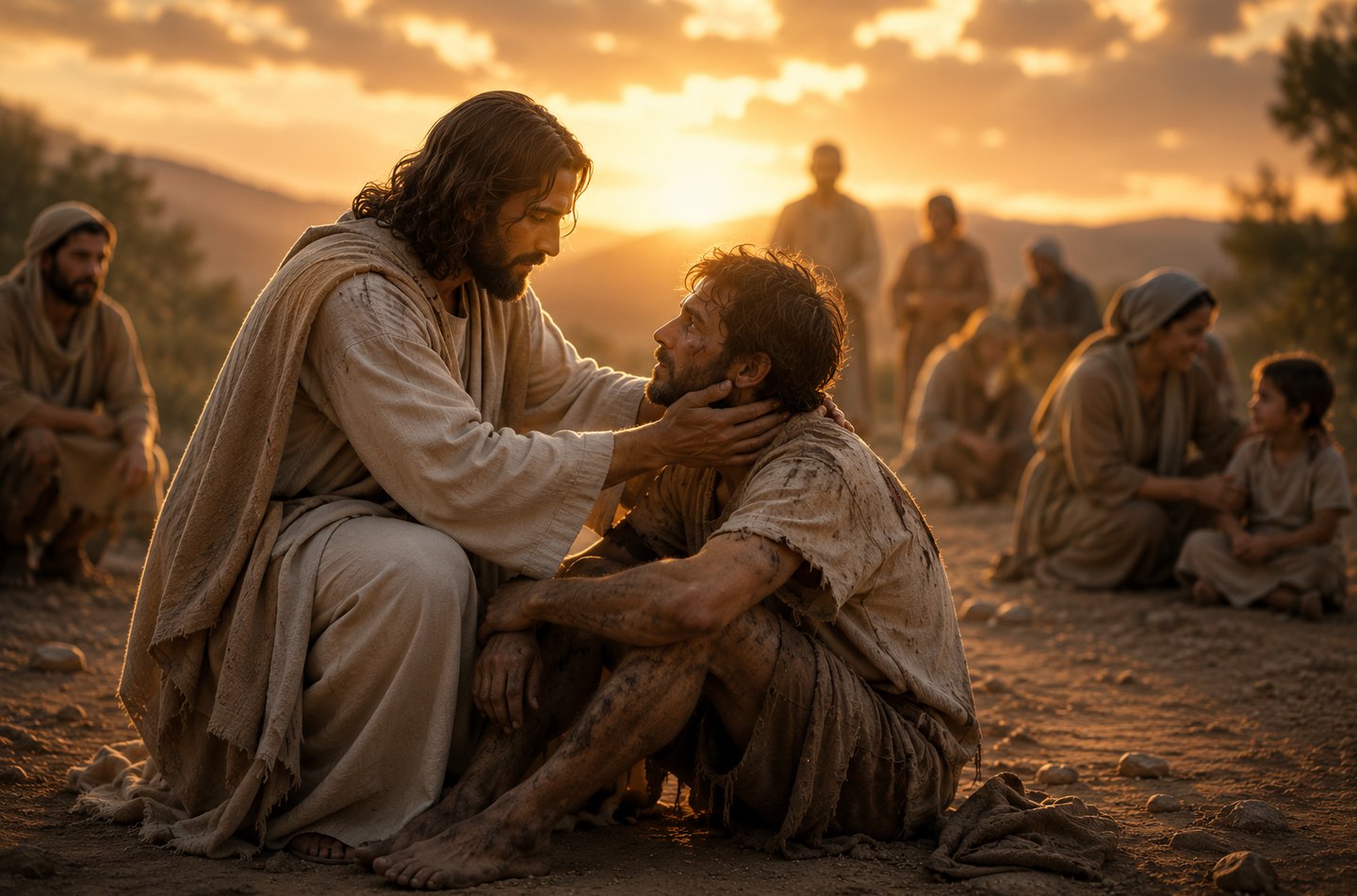
God has never desired empty religion. He seeks hearts that mirror His compassion. Mercy is the visible evidence of a life transformed by grace. It reaches beyond rituals, traditions, and outward appearances to embrace the hurting, forgive the guilty, restore the broken, and love without condition. The believer who truly knows God will increasingly resemble Him—not merely through worship services, but through daily acts of mercy that reveal the living Christ to the world.
Author: Jennifer Sumrall
3 min read
Key Scriptures
Old Testament: Hosea 6:6 (NKJV)
"For I desire mercy and not sacrifice, And the knowledge of God more than burnt offerings."
New Testament: Matthew 9:13 (NKJV)
"But go and learn what this means: 'I desire mercy and not sacrifice.' For I did not come to call the righteous, but sinners, to repentance."
Supporting Scriptures:
Micah 6:6-8
Matthew 12:7
James 2:13
Luke 10:25-37 (The Good Samaritan)
Spiritual Summary
Throughout Scripture, God continually reminds His people that outward religious activity is meaningless without a heart transformed by His love. While sacrifices, offerings, and acts of worship were commanded under the Old Covenant, they were never meant to replace compassion, justice, humility, and mercy.
When God declared through Hosea, "I desire mercy and not sacrifice," He exposed the spiritual condition of Israel. The people continued bringing offerings to the temple while neglecting the very character of God. Their worship had become ritual without relationship and religion without compassion.
Centuries later, Jesus quoted the same passage to the Pharisees. They carefully observed religious traditions, yet they overlooked the needs of the broken, the sick, the poor, and the outcast. Christ challenged them to understand that God's kingdom is built not merely upon external obedience but upon hearts that reflect His mercy.
The Hebrew word חֶסֶד (Chesed), translated mercy, carries a much deeper meaning than simple kindness. It speaks of steadfast love, covenant faithfulness, loyal compassion, and unfailing grace. It describes the very nature of God Himself.
God's desire has always been that His people become reflections of His character. True worship is not measured by the number of prayers we pray, the songs we sing, or the offerings we give. It is measured by how deeply we love God and how faithfully we love others.
Mercy is the evidence that God's love has taken root within our hearts. When we forgive instead of retaliating, serve instead of seeking recognition, encourage instead of condemning, and restore instead of rejecting, we reveal the heart of our Heavenly Father.
Deep Spiritual Reflection
Mercy is where theology becomes visible. It is easy to appear spiritual through outward acts of religion, but genuine faith is revealed by how we treat people created in God's image.
Jesus never minimized obedience, but He consistently taught that obedience without love becomes empty legalism. Mercy fulfills the purpose of the law because it reflects God's own heart. Every miracle Jesus performed, every sinner He forgave, every outcast He welcomed, and every burden He carried demonstrated that mercy is not weakness—it is divine strength expressed through love.
The cross itself is the greatest picture of mercy over sacrifice. Jesus became the final sacrifice so that sinners could receive the mercy they never deserved. His sacrifice fulfilled the law while opening the door for grace. Because we have received such immeasurable mercy, we are called to become vessels of that same mercy to others.
The more we know God's heart, the less interested we become in simply appearing righteous. Instead, we long to become people whose lives overflow with compassion, forgiveness, generosity, patience, and unconditional love. Mercy transforms worship from something we do into someone we become.
Original Language Study
Hebrew
חֶסֶד (Chesed)
Meaning: Covenant love, steadfast mercy, lovingkindness, loyal faithfulness.
Significance: God's faithful love that never abandons His people and the same mercy He desires them to extend to others.
Greek
ἔλεος (Eleos)
Meaning: Mercy, compassion, kindness toward those in need.
Significance: The compassionate action that flows from God's heart and should characterize every follower of Christ.
Reflection Questions
Do I sometimes focus more on religious activity than on loving people?
Do I sometimes focus more on religious activity than on loving people?
How has God's mercy changed my own life?
Is there someone I need to forgive as God has forgiven me?
Am I quick to judge, or quick to show compassion?
How can I demonstrate God's mercy to someone this week?
Does my worship extend beyond church into the way I treat others?
If Jesus examined my heart today, would He see mercy flowing from it?
Prayer
Heavenly Father, thank You for showing me mercy when I deserved judgment. Your steadfast love has changed my life and drawn me into a relationship with You through Jesus Christ. Forgive me for the times I have valued routine over relationship or religion over compassion. Fill my heart with Your mercy so that I may love others as You have loved me. Teach me to see people through Your eyes, to forgive freely, to serve joyfully, and to walk humbly before You. May my life reveal the heart of Christ, whose mercy triumphed over judgment at the cross. In Jesus' name, Amen.
Memory Thought
"The greatest evidence of knowing God is not the sacrifices we offer, but the mercy we freely give."
Bloodfallen's CB Corner
Email: Bloodfallenscbcorner@gmail.com
Email: Chris@bloodfallenscbcorner.com
© 2025. All rights reserved.


John 3:16 NKJV "For God so loved the world that He gave His only begotten Son, that whoever believes in Him should not perish but have everlasting life".
601-402-4128
Hattiesburg, MS 39402